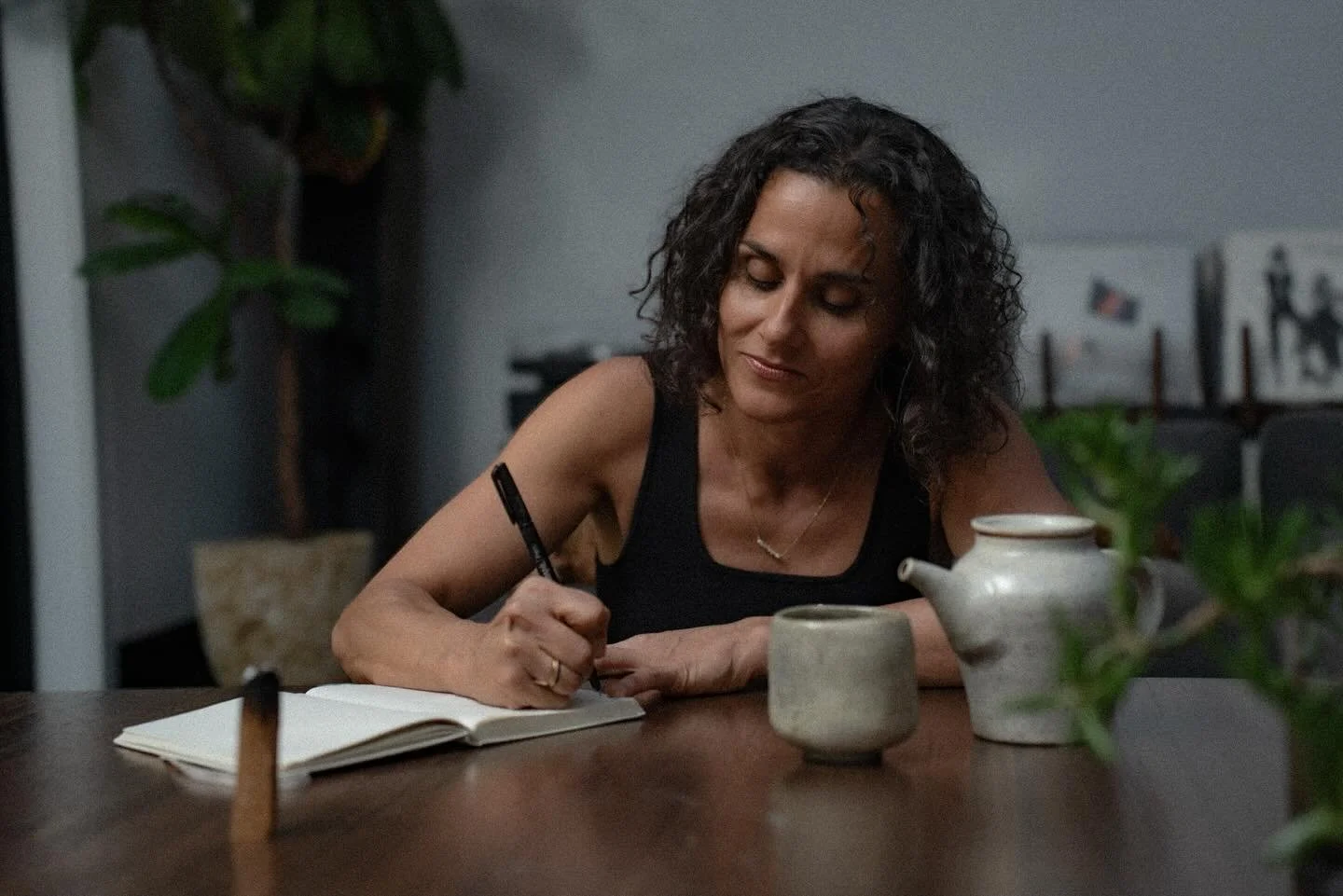
About Me
I've spent the last fifteen years exploring questions that my elite education took for granted.
My early career followed a conventional path…
Engineering at Berkeley, management consulting, then strategy at Google, where I traveled to 20 countries expanding the company’s footprint following its IPO.
In 2008 I left Google to pursue a master's degree in Economics and International Development at Harvard's Kennedy School; I wanted to apply myself to something more meaningful than growing a tech company’s reach and revenue.
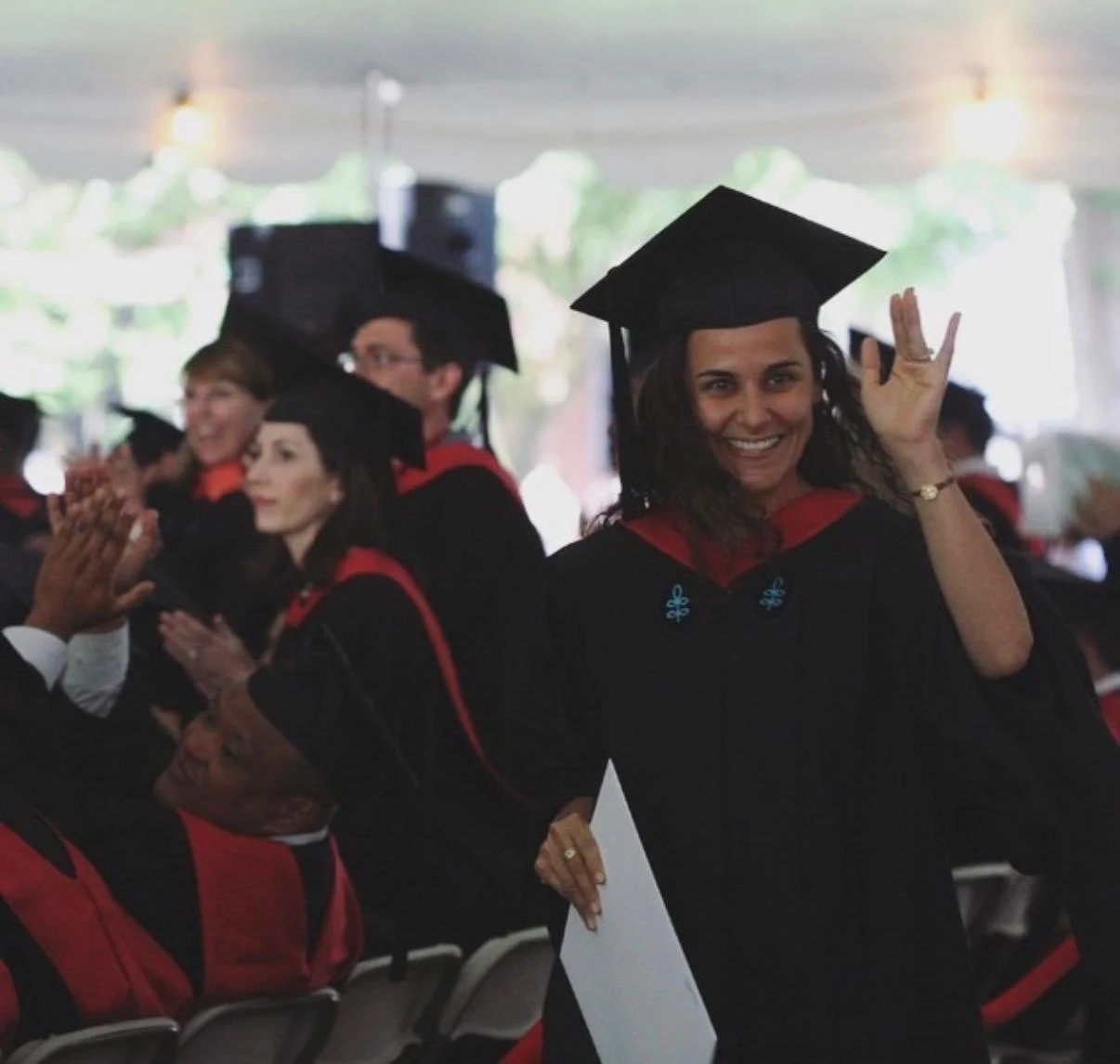
Grad school left me passionate,
but wanting.
We were taught to make economies grow to lift people out of poverty, but never questioned economic growth as a means for development.
We didn’t ask first order questions about justice or progress.
I left with more questions than answers — seeding an inquiry I’ve been following ever since.
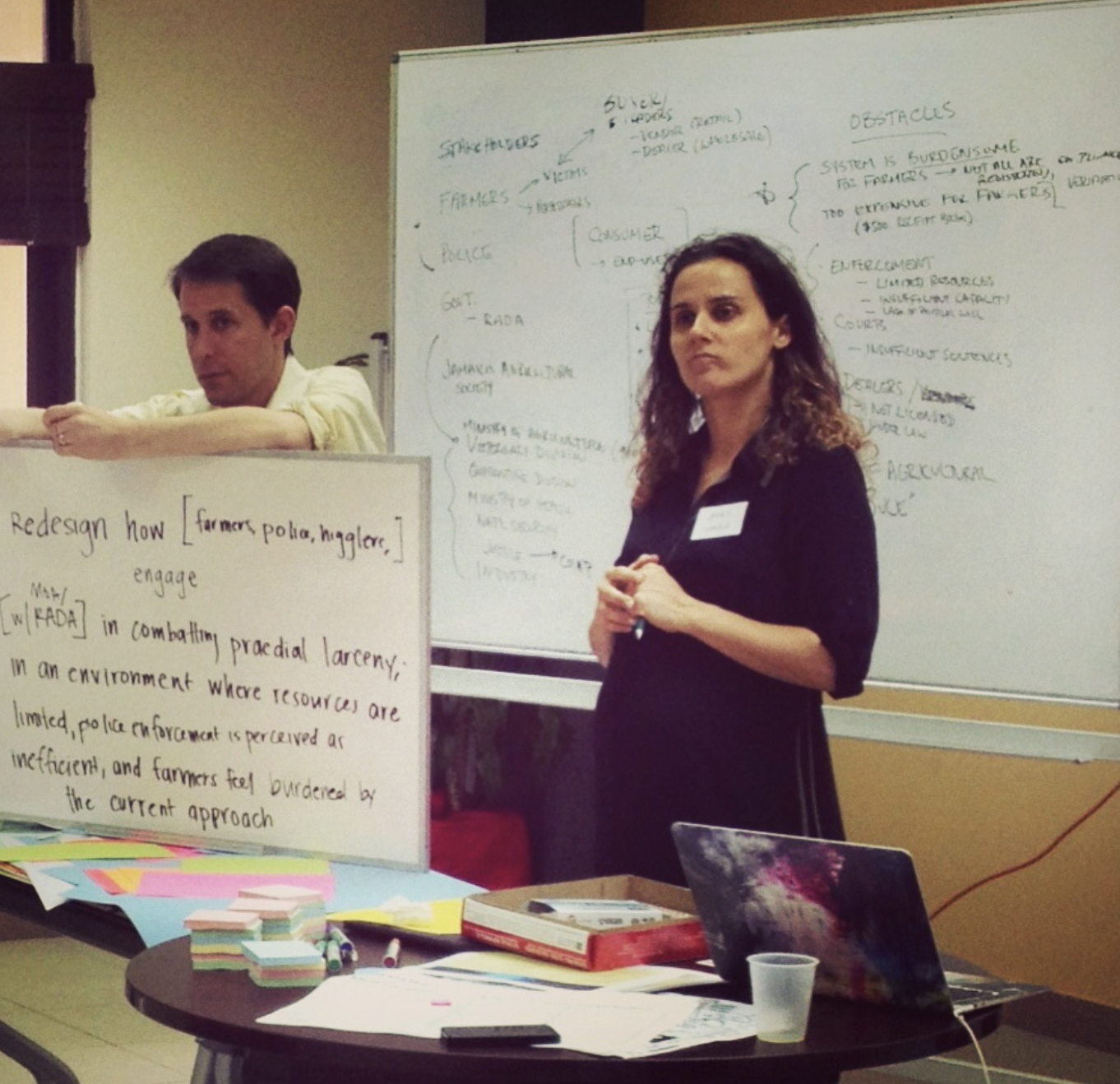
I returned to Google.org supporting their philanthropic efforts, and completed a fellowship at Stanford’s Hasso Plattner Institute of Design.
There I explored how technology and human centered design could improve governance outcomes in low income countries and taught design thinking to graduate students.
I was doing cutting edge work, but I wasn’t yet questioning the system itself.
Concurrent with my time at Google.org and Stanford, I began a chapter that upended my sense of self.

I became a mother – and chose to scale back my career. Something women with résumés like mine aren't encouraged to do. But what was true for me rejected the narratives I’d internalized growing up – that my career was my identity, and that success was about income and status.
Ten years of dedicated yoga practice inspired me to complete a 200h teacher training. By the end I had established a daily meditation practice that I have maintained ever since.
I started to see that the inner work and systemic questions I’d been sitting with were not distinct, but inextricable.
The pandemic created the space I needed to dive deep.
As the world came to a halt, I started hosting Zoom salons for friends on the topics I wanted to understand. Universal Basic Income. Stakeholder Capitalism. Delegative Democracy.
I moved the conversations to Clubhouse, where they coalesced into an ambitious inquiry of the underlying systems of society spanning economics, politics, justice, culture, consciousness, technology – it was the depth and breadth I’d yearned for back at Harvard.
Within months, we had 85,000 followers.
Denizen emerged from the collective needs that Clubhouse revealed, not just for content, but for connection.
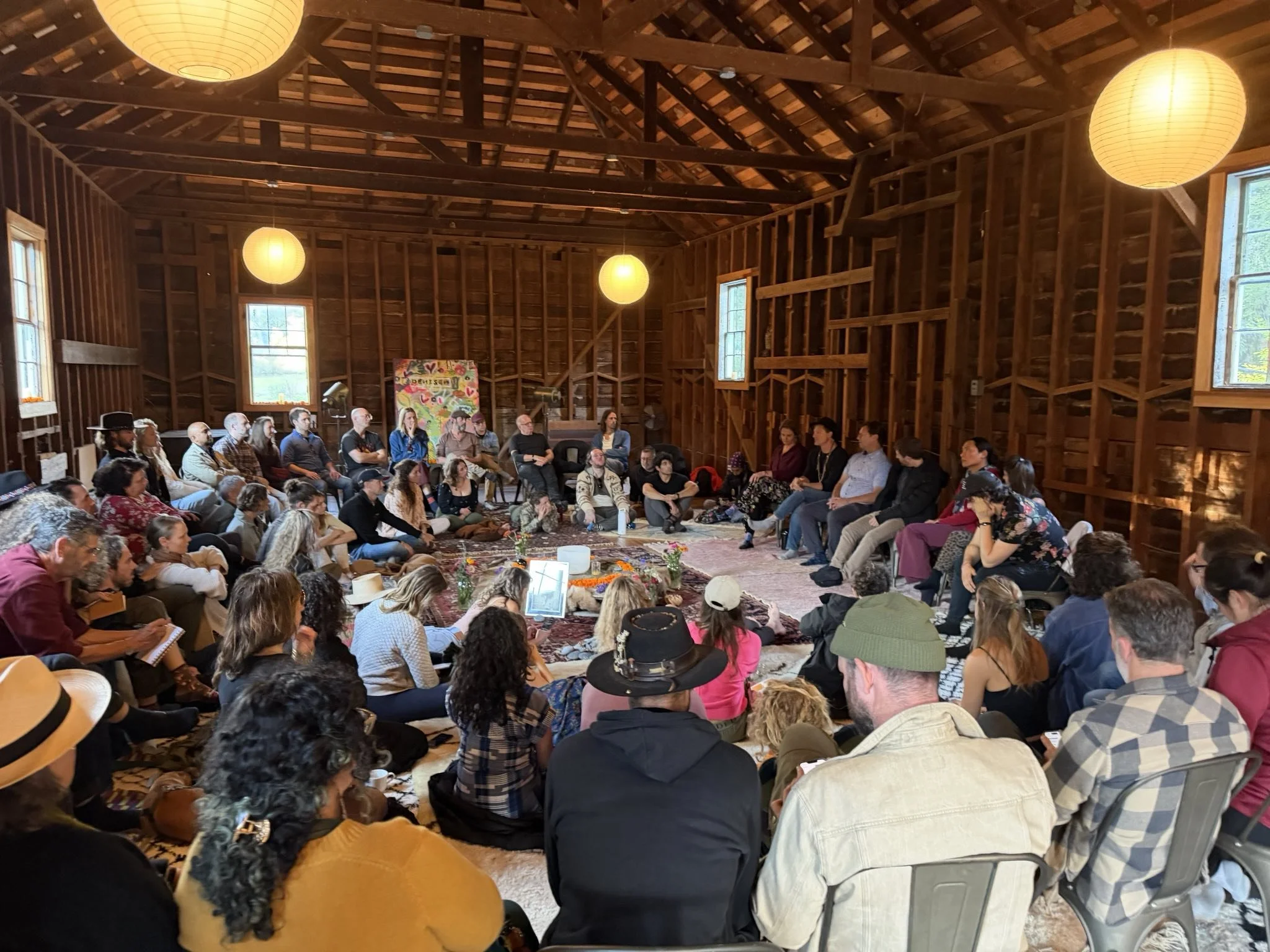
It has since evolved into a global community of leaders at the forefront of systemic change, and a podcast that continues to explore the transformation of society from the inside out. To date, we have reached over 25,000 listeners across 130 countries.

This work is my dharma
Incentive misalignment within our systems of governance and economics is the “meta-crisis” underlying the many crises we face today, from climate change to widening inequality to the rise of authoritarian populism.
This is the issue I kept gravitating towards for so many years. My work now integrates my whole self — not just my decades long career in technology and policy — but my spiritual practice, my love of community building, even the maternal side of me I’ve honed through motherhood.
I approach a cause of this magnitude with humility, and am always eager to find co-conspirators who share my passion for systemic change.